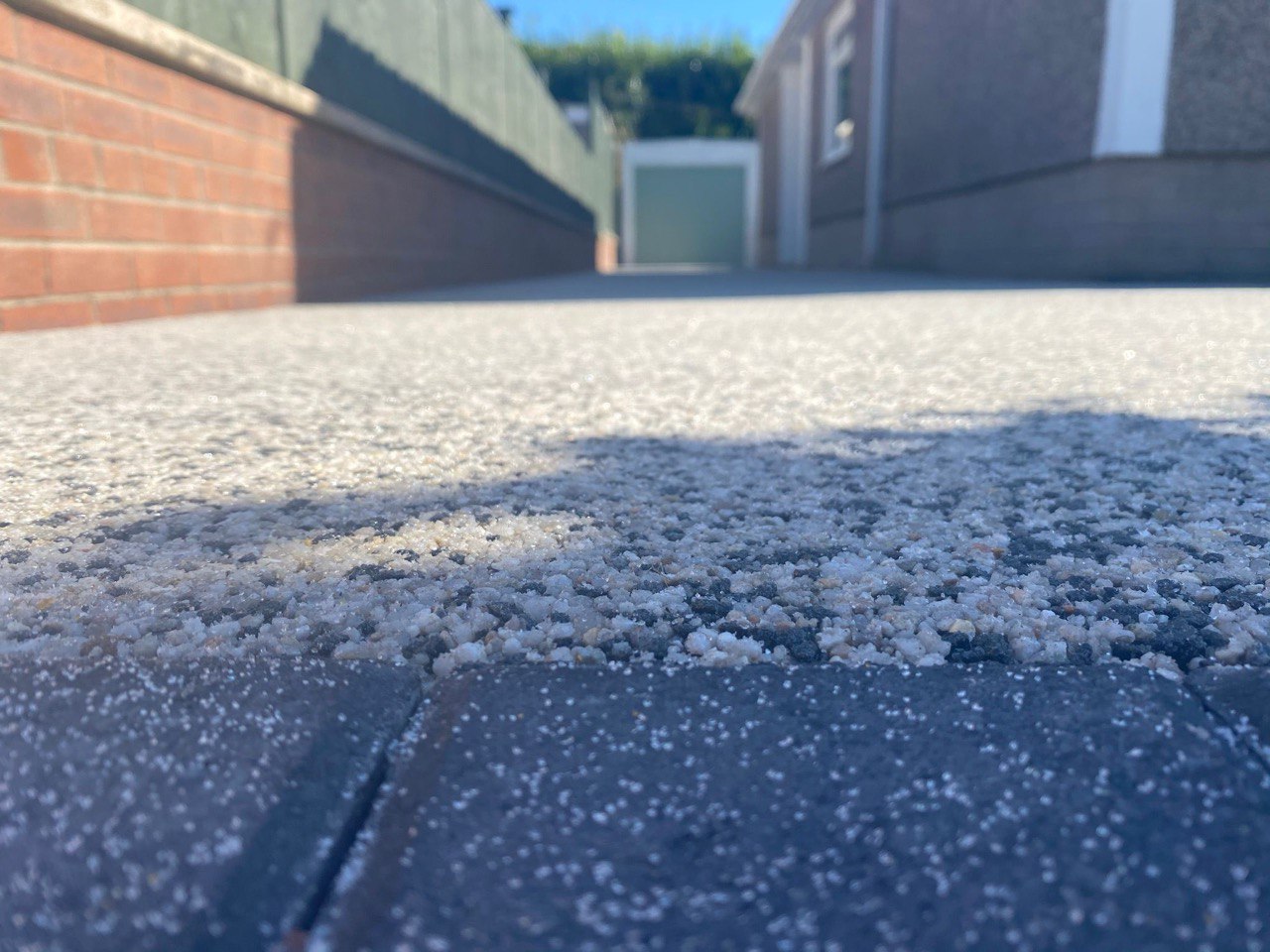
Block Paving Driveways: How to Choose the Right Style for Your Home
A block paving driveway can improve the appearance of your property while providing a practical, durable surface for everyday use. With a wide choice of colours, block shapes, laying patterns and finishes available, it is possible to create a driveway that complements your home and suits the way you use your outdoor space.
For homeowners in Tunbridge Wells, Kent, choosing the right block paving involves more than selecting an attractive design. The layout, drainage, ground preparation and quality of installation all influence how well the finished driveway performs over time. Tunbridge Wells Driveways helps property owners choose driveway solutions that balance appearance, functionality and long-term durability.
How to Choose the Right Block Paving Driveway
The best block paving design should complement your property’s character while meeting practical requirements such as vehicle access, parking space and ease of maintenance. Considering the following factors can help you make an informed decision.
1. Select a Colour That Complements Your Home
Block paving is available in a range of colours, from traditional reds and warm browns to charcoal, grey and natural stone-effect shades.
For a traditional property, warm or mixed-colour blocks can complement brickwork and established garden features. Grey and charcoal paving may suit more contemporary homes, creating a clean and understated appearance.
Consider the colour of your brickwork, windows, boundary walls and front garden before making a choice. It is also worth viewing paving samples in natural daylight, as colours can appear different depending on the weather and surrounding materials.
Choosing a balanced colour scheme can help the driveway blend naturally with the rest of the property.
2. Choose a Suitable Block Shape and Size
Block shape and size affect the overall character of the driveway. Smaller blocks can create a traditional, detailed finish, while larger or more uniform blocks often produce a simpler, modern appearance.
The proportions of the driveway are important. Intricate designs may suit larger spaces where the pattern can be appreciated, whereas a straightforward layout can help a smaller driveway feel less cluttered.
Think about how the paving will look alongside paths, steps and entrance areas. A consistent design across connected surfaces can create a more coordinated finish.
3. Compare Different Laying Patterns
The laying pattern influences both the appearance and performance of block paving.
- Herringbone: Blocks are arranged in an interlocking pattern that provides good resistance to movement under vehicle traffic. It is a practical choice for many driveways.
- Basket weave: This traditional pattern creates a distinctive woven appearance and can complement period-style properties.
- Stretcher bond: Blocks are laid in parallel rows, creating a simple, clean design that suits many types of homes.
- Decorative borders: Contrasting blocks can frame the driveway, define parking spaces or highlight the entrance.
The pattern should suit the shape of the driveway and the way vehicles enter, turn and park. For areas subject to regular vehicle movement, the laying method and proper installation are particularly important.
4. Consider the Size and Layout of Your Driveway
Before choosing a style, consider how much space you need for parking and manoeuvring. A driveway should provide convenient access without making the front garden feel unnecessarily crowded.
For wider driveways, contrasting borders or defined sections can help organise the space visually. On narrower driveways, using a consistent block colour and uncomplicated pattern may create a more spacious appearance.
The layout should also account for entrances, gates, footpaths and any existing landscaping. Careful planning helps prevent awkward edges and makes the finished surface easier to use.
5. Prioritise Proper Ground Preparation and Drainage
Even the most attractive block paving can develop problems if the foundation is poorly prepared. Uneven settling, loose blocks and standing water may occur when the ground beneath the driveway has not been properly assessed or compacted.
A suitable installation normally involves preparing the ground, establishing a stable sub-base, creating an appropriate laying course and securing the blocks with suitable jointing material.
Drainage is equally important. The finished surface should be designed to direct water appropriately and avoid persistent pooling near the house, garage or other structures. The correct approach depends on the property’s layout, ground conditions and existing drainage arrangements.
Choosing an experienced driveway contractor helps ensure that these practical requirements are considered alongside the visual design.
6. Think About Maintenance and Everyday Use
Block paving is generally straightforward to maintain, but regular care helps preserve its appearance. Sweeping away leaves and loose dirt, removing weeds where they develop and addressing isolated problems promptly can keep the surface looking tidy.
Some movement or staining may occur over time, particularly in frequently used areas. One advantage of block paving is that individual blocks can often be lifted and replaced without renewing the entire driveway, provided the underlying base remains sound.
When selecting a finish, consider how much maintenance you are comfortable undertaking and whether the chosen colour is likely to show everyday dirt prominently.
Why Professional Block Paving Installation Matters
A well-designed block paving driveway depends on more than the surface materials. Ground preparation, sub-base depth, edge restraints, block alignment and drainage all contribute to its stability and longevity.
Poor installation can lead to sinking sections, spreading edges or uneven surfaces that affect both appearance and usability. Professional planning helps match the construction method to the expected traffic and conditions of the site.
Tunbridge Wells Driveways works with homeowners in Tunbridge Wells, Kent, to plan and install driveways suited to their property’s style and practical needs.
Conclusion
Choosing the right block paving driveway involves balancing colour, block shape, laying pattern, layout and maintenance requirements. Equally important are proper ground preparation and effective drainage, which help the finished surface remain stable and functional.
If you are considering a new block paving driveway for your home, contact Tunbridge Wells Driveways to discuss your ideas and arrange professional advice for your property in Tunbridge Wells, Kent.
Call us on: 01892 578 896
Click here to find out more about Tunbridge Wells Driveways
Click here to complete our contact form and see how we can help with your Driveway needs.